St Clair – Urban Farm
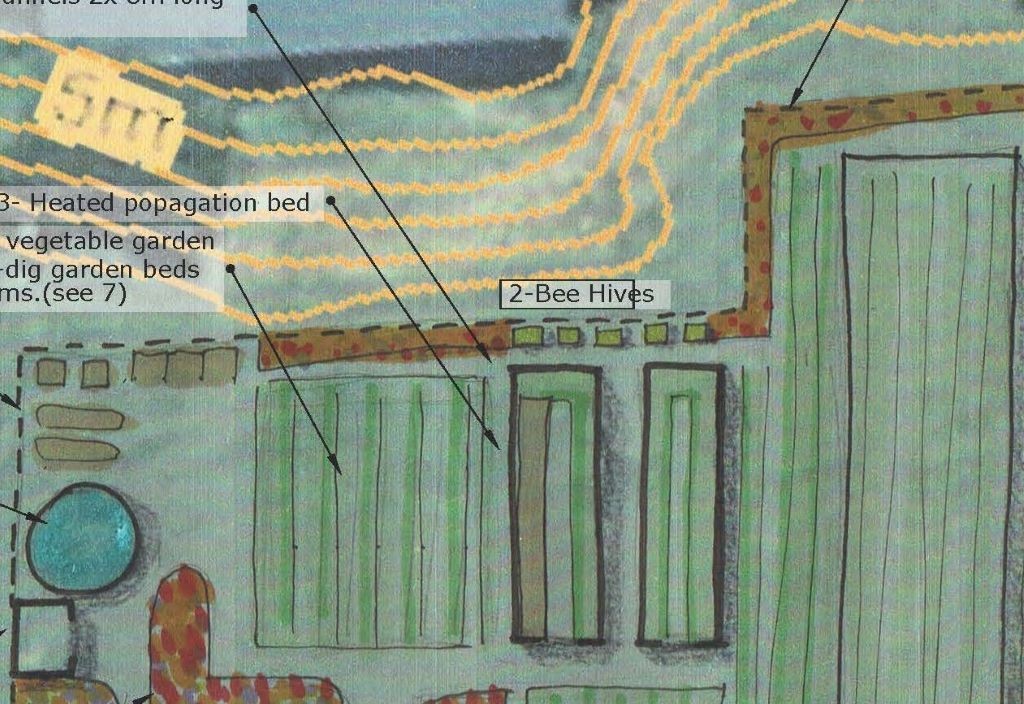
At St Clair, at the southern end of Kettle Park, the first of FEED’s urban farm test sites is taking shape. With support from Port Otago, a couple of repurposed shipping containers are helping to transform an area of ‘only mow’ land into a practical space. While the containers are destined for use as equipment storage, an office base, and a small library of tools and equipment, the shelter they provide is invaluable. The site is currently being used as a proof-of-concept area for future urban farm models, demonstrating what small, productive pockets of land can offer a city that values resilience and local food.
Another key to this development is our collaboration with the Blokes’ Shed, who are helping construct raised garden beds and other infrastructure as the project grows. Their contribution is enabling us to showcase what community-driven, small-scale horticulture can achieve—both in terms of fresh food and in building social connection.
With input and ongoing support from knowledgeable and passionate gardeners, volunteers and the Otago Polytechnic, and the site is also destined to become an outdoor classroom where students and community members can learn about soil health, plant care, sustainable growing practices, and assistance in make it easier to grow produce at home. Any home.
Rotary Park Orchard
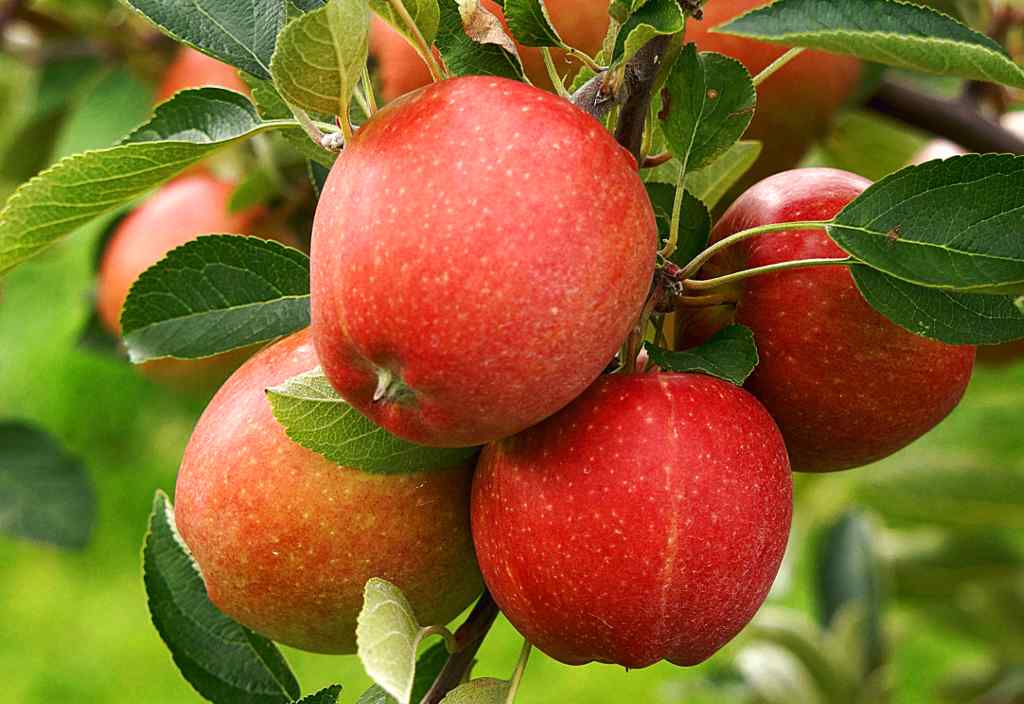
No too far away at Rotary Park, another important piece of the FEED ecosystem is beginning to flourish. In a quiet corner of the park—often overlooked by visitors and locals alike —we have established an orchard. 18 apple trees are already in the ground, with another 12 planned for next year to complete the full orchard footprint. The project has been made possible through the help and approval of both Rotary and the Dunedin City Council, who recognise the long-term value of creating food assets within urban public spaces.
Together, these initiatives reflect FEED’s broader mission: to strengthen Dunedin’s food security, provide hands-on educational opportunities, and nurture a new generation of growers. Each site demonstrates our core values in action—empowerment, cultural respect, sustainability, and collaboration—while contributing to a resilient, community-driven food future for Ōtepoti.